Elegant Lavender Wreaths: A Designer's Guide to Wedding Clipart
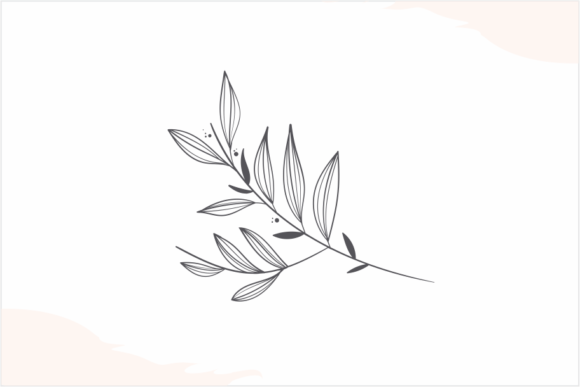
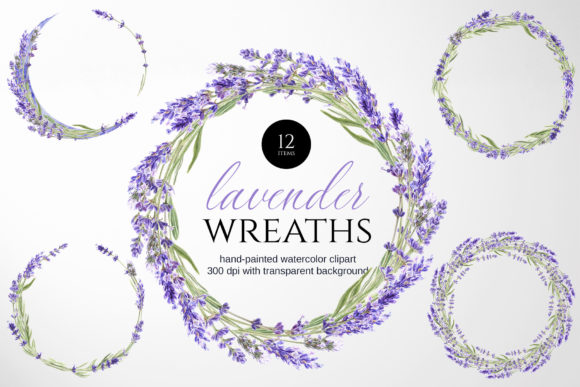
There's a particular kind of magic in a hand-drawn lavender wreath. It captures the delicate, slightly wild beauty of a sun-drenched French field and translates it into a versatile design element. For creators working on wedding suites, event branding, or boutique packaging, this aesthetic is pure gold. It communicates romance, organic elegance, and a touch of bohemian charm. A thoughtfully curated collection of these assets, like the Lavender Round Floral Wreaths clipart set, isn't just a time-saver; it's a foundational tool for building a cohesive and emotionally resonant visual language for a project.
The Allure of the Hand-Drawn Aesthetic
In a landscape saturated with crisp, digital perfection, the slight imperfections and organic flow of hand-drawn art stand out. They feel personal, crafted, and full of character. This is why lavender wreaths clipart, especially in a boho or French style, has become a staple for designers. The soft purple hues of lavender pair beautifully with neutral palettes—think ivory, kraft paper, soft grey, and blush pink. This combination creates a look that is both timeless and incredibly on-trend for modern weddings and lifestyle branding.
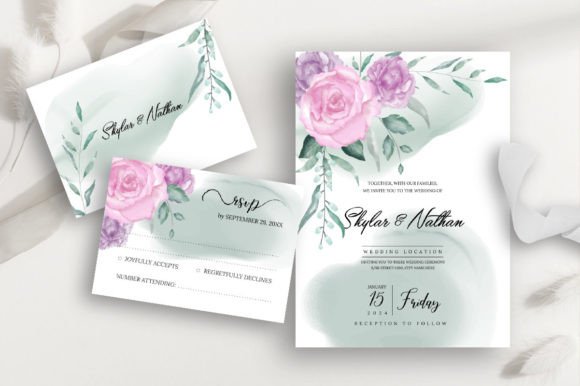
The real value of a premium collection lies in its versatility. Imagine using the same core wreath element across a client's entire wedding suite: the save-the-date card, the formal invitation, the RSVP card, the ceremony program, and the thank-you notes. This creates immediate visual consistency and strengthens the event's brand identity. The same principle applies to a small business. A lavender wreath can frame a logo, become a decorative element on product packaging, adorn the header of a website, and serve as a recurring motif in social media graphics. This kind of repetition builds recognition and professionalism.
Practical Applications Beyond the Wedding Album
While the term "wedding clipart" points to a primary use, the applications for this style of asset are vast. Think of the wreath as a versatile frame or accent. A graphic designer can use it to highlight a special offer on a poster. A blogger can create a beautiful, branded header for a recipe or lifestyle post. A content creator can add a touch of elegance to an Instagram story or a Pinterest pin, making it more shareable and visually appealing.
For entrepreneurs, these assets are a direct investment in brand identity. Consider these practical uses:
- Logo Design: A simplified, single-line version of a lavender wreath can create a beautiful, minimalist logo mark for a florist, a wedding planner, a boutique hotel, or a skincare brand.
- Packaging & Labels: Wrap a wreath around a product name on a candle jar, a soap label, or a bakery box to instantly convey a handmade, artisanal quality.
- Digital Products & Marketing: Use wreaths to frame text on ebook covers, course graphics, or sale announcements. They make digital products feel more tangible and valuable.
- Print Collateral: Enhance business cards, letterheads, and thank-you notes. A subtle wreath in the corner of a business card adds a memorable touch of sophistication.
- Editorial & Web Design: Use them as decorative pull quotes, section dividers, or accent images on a website to break up text and guide the reader's eye.
The key is to see these wreaths not as a single-use item, but as a core component of a larger design system. A collection with transparent backgrounds and high resolution (like 300dpi, 4000x4000 pixels) is essential. It allows for seamless integration into any project without the hassle of removing backgrounds or worrying about pixelation when scaling for large prints like posters or banners.
Integrating Assets into a Cohesive Brand
The most effective design work feels intentional. When incorporating decorative elements like floral wreaths, they should align with the overall typographic and color strategy. For a French-inspired brand, you might pair a lavender wreath with a classic serif font like Garamond or a elegant script. For a more bohemian, free-spirited vibe, a relaxed sans-serif or a modern handwritten font would complement the organic lines of the wreath beautifully.
This is where the concept of font pairing becomes critical. The wreath sets the visual tone; the typography should echo it. Avoid clashing styles. A very formal, traditional serif might feel out of place with a loose, hand-drawn wreath, unless the contrast is deliberate and carefully balanced. Always test your text within the wreath frame. Ensure there is enough readability and that the text doesn't feel cramped. The goal is harmony, not competition between the elements.
Choosing and Using Your Design Assets Wisely
Before you begin a project, review the assets you have. A well-curated set will offer variety—perhaps different shapes (round, oval, asymmetrical) and densities (full, lush wreaths versus minimal, airy ones). This allows you to select the right asset for the right context. A full, lush wreath might be perfect for a hero image on a wedding website, while a more minimal version could work better as a small icon.
Finally, always be mindful of licensing. For any commercial project—whether it's for a client or your own business—ensure you have the proper commercial font and asset licenses. Reputable designers and marketplaces provide clear terms that allow you to use the work confidently in your professional endeavors. This protects you and respects the creator's work.
Ultimately, a collection like the Lavender Wreaths, Wedding Clipart set is more than just a set of pretty pictures. It's a toolkit for storytelling. It allows you to inject a specific mood—romantic, pastoral, elegant, bohemian—into your designs with a single, powerful element. By using these assets thoughtfully and integrating them into a broader design strategy, you create work that feels cohesive, professional, and deeply connected to the emotional core of the project or brand you're building. Create with pleasure, and let the delicate beauty of lavender guide your design. Thank you!