Elegant Wedding Stationery: Watercolor Flower Wedding Card Template
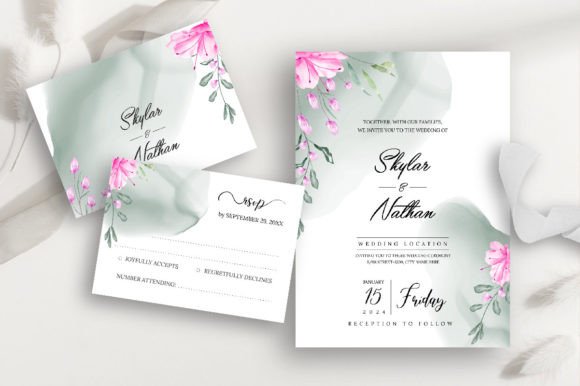
Planning a wedding involves a thousand tiny decisions, and often, the stationery sets the tone for the entire event before guests even arrive. There is a specific kind of magic in watercolor art—it feels organic, imperfect, and deeply personal. If you are a designer or a bride-to-be looking for a high-quality, customizable solution, you know that finding the right balance between artistic beauty and technical usability can be a headache. You want something that looks hand-painted but is structured enough to handle professional printing and editing. That is exactly where a robust Watercolor Flower Wedding Card Template becomes an invaluable asset, bridging the gap between raw art and polished design.
The Artistic Appeal of Watercolor Florals
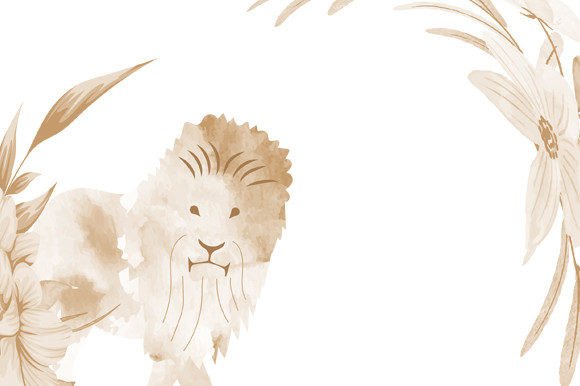
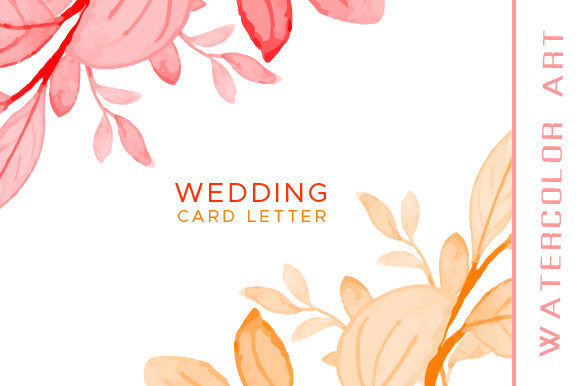
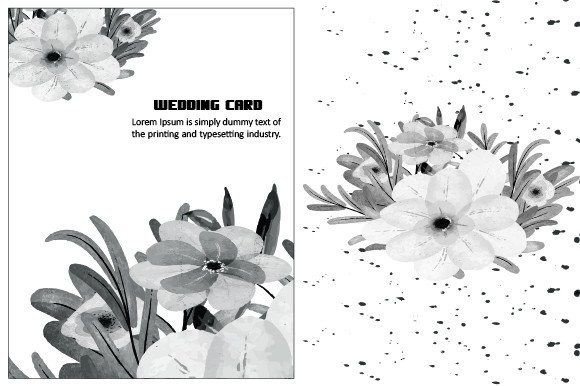
Why do watercolor florals continue to dominate the wedding stationery market? It comes down to texture and emotion. Unlike flat digital graphics, watercolor carries the brushstrokes of the artist. It feels tactile. When you use a design template that features high-quality watercolor elements, you are leveraging a visual language that speaks of romance, softness, and timeless elegance. The blending of colors, the bleed of the paint into the paper texture, and the delicate details of petals create a visual hierarchy that draws the eye without overwhelming it.
A vector-based approach to watercolor is particularly powerful here. While traditional watercolor is raster-based and can pixelate when scaled, a vector file template ensures that your floral arrangements remain crisp whether they are printed on a tiny place card or a large welcome sign. This flexibility is crucial for maintaining a cohesive visual identity across all wedding collateral.
Technical Versatility: Why Vector and Layered Files Matter
For the creative professional or the advanced hobbyist, the file format is just as important as the design itself. This specific template package includes Ai, Eps, and PSD formats, catering to a wide range of workflows. If you are comfortable with basic Illustrator operations, you unlock the full potential of these assets.
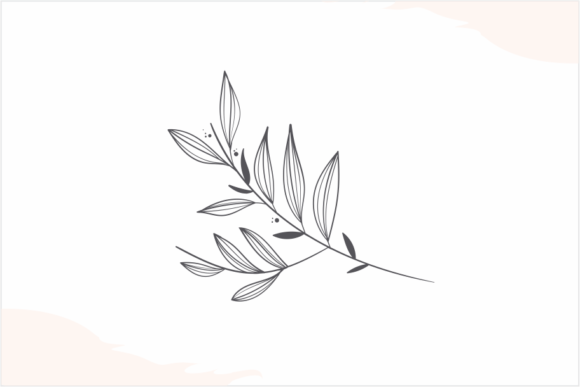
The inclusion of useful art brushes in the vector files is a standout feature. Instead of being stuck with static shapes, you can manipulate the floral vines and branches to fit unique layouts. Need a wreath? Bend the brush. Need a border that fits a specific curve? The vector paths allow for infinite customization.
Furthermore, the 300 DPI resolution of the raster elements ensures that the textures remain rich and grain-free in print. This is non-negotiable for high-end stationery. When you combine this with the easily editable design structure, you save hours of production time. You aren't just buying a static image; you are buying a production kit.
Practical Applications Beyond the Invitation
While the primary use case is a wedding card, the utility of a high-quality Watercolor Flower Wedding Card Template extends far beyond the envelope. Modern branding often requires a multi-channel approach, and these assets are versatile enough to support various platforms.
Consider these practical applications for the included files:
- Wedding Day Decor: Use the floral designs to create matching menus, table numbers, and ceremony programs. Because the files are editable, you can ensure the font pairing and color palette remain consistent.
- Event Branding: If you are an event planner or a small business owner hosting a workshop, these florals can soften your brand identity. Use them for social media graphics or blog headers to create a welcoming atmosphere.
- Packaging and Merchandise: The designs are not limited to paper. You can use the vector patterns for fabric printing, tote bags, or tissue paper for gift wrapping. The scalability of vector files makes this seamless.
- Digital Products: Content creators can use these elements to design digital planners, desktop wallpapers, or email newsletter headers that have a cohesive, artistic flair.
Streamlining Your Design Workflow
One of the biggest challenges in design is maintaining visual consistency. When you piece together assets from different sources, the result often looks disjointed. By using a unified template suite that includes three wedding card designs and three watercolor flower art sets, you ensure that your typography, imagery, and layout speak the same visual language.
The ability to easily change the designs color is a critical workflow enhancement. Wedding color palettes are highly specific—ranging from dusty rose and sage green to vibrant coral and gold. A rigid template is useless if it clashes with the wedding theme. With these editable layers, you can sample the exact hex code of the bride's chosen colors and apply them to the floral elements in seconds. This level of control transforms a generic template into a bespoke creation.
Choosing Typography to Complement the Art
A beautiful floral background needs the right typography to anchor it. When working with a Watercolor Flower Wedding Card Template, the font choice dictates the readability and the mood. Watercolor art is inherently organic and flowing, so pairing it with a rigid, geometric sans-serif might create too much contrast.
Instead, look for a script font or a handwritten font for headers. These styles mimic the human touch of the watercolor brush, creating a harmonious relationship between text and image. For the body text—such as venue details or RSVP information—opt for a clean, legible serif font or a soft sans serif font. This contrast ensures that the important information is easy to read while the artistic elements remain the focal point.
When testing font pairings, pay attention to the weight and x-height. A heavy, bold script might compete with intricate floral details, whereas a light, airy script will let the flowers breathe. Always print a test proof to check how the ink sits on the paper relative to the watercolor textures.
Commercial Potential and Licensing
For the entrepreneurial designer, assets like these are a goldmine. If you operate a stationery business or a print-on-demand shop, having a library of premium font compatible templates and vector art allows you to offer customized solutions to clients without starting from scratch every time.
The included formats (Ai, Eps, PSD) are industry standards, meaning you can hand off files to print shops or other collaborators with zero friction. When you invest in a quality design asset, you are investing in speed. The faster you can mock up a concept for a client, the higher your conversion rate.
However, always review the commercial licensing terms. While most templates allow for end-products (like a printed invitation), some may have restrictions on reselling the raw digital files. Understanding these nuances protects your business and ensures you are using the assets ethically.
Final Thoughts on Quality and Editability
In the world of graphic design, quality is often defined by the details you don't see—the smoothness of a curve, the resolution of a texture, the organization of a layer panel. A well-crafted Watercolor Flower Wedding Card Template isn't just about the pretty picture; it's about the engineering behind the art.
By choosing a template that offers vector file scalability, high-resolution textures, and deep customization options, you empower yourself to create stationery that feels truly personal. Whether you are designing a one-off invitation for a friend or building a product line for your business, these tools provide the foundation for professional, beautiful, and emotionally resonant design work.