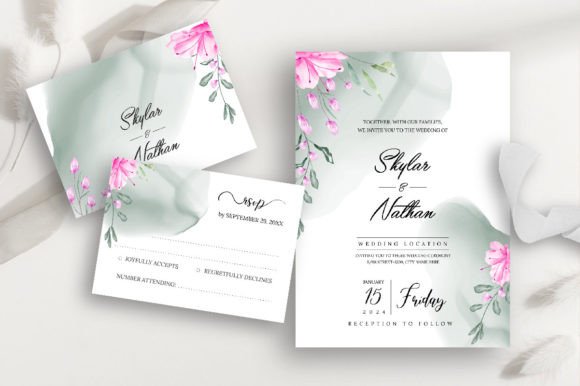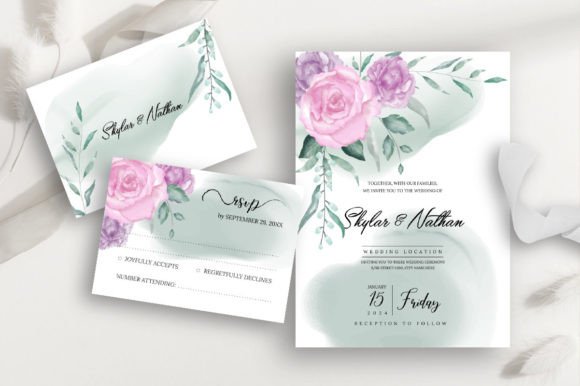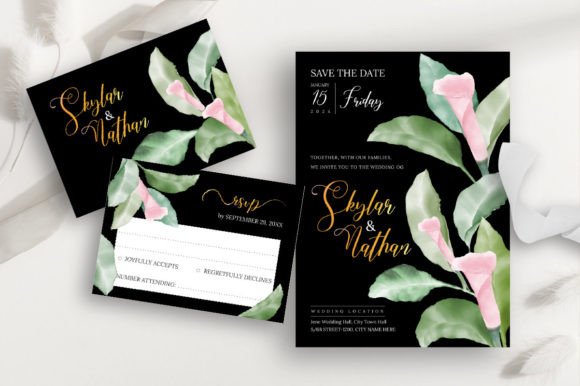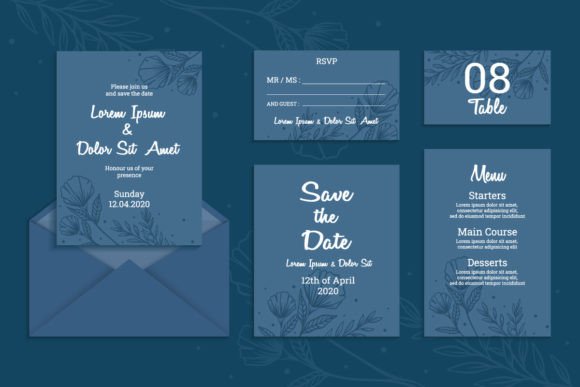
Hand Drawn Floral Wedding Invitation: A Charming Design Asset
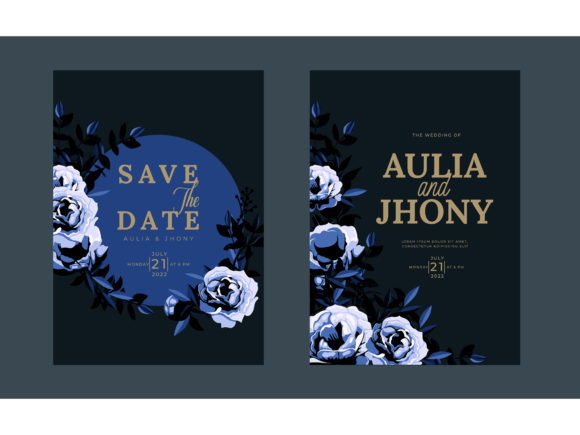
There’s something undeniably personal about a hand-drawn element in a digital world. It carries a warmth, an imperfection, and a story that a perfectly vectorized shape sometimes misses. This is precisely the charm of a Hand Drawn Floral Wedding Invitation design asset. It’s not just a collection of pretty flowers; it’s a starting point for creating something that feels authentic, crafted, and deeply connected to a personal or brand story. Whether you’re designing for a client’s special day or building a brand identity that values organic beauty, this style of artwork offers a versatile and emotionally resonant foundation.
The Allure of Organic Artistry in Design
What sets a hand-drawn floral motif apart is its inherent character. The slight variations in line weight, the gentle wobble of a stem, the textured fill of a petal—these details create a sense of movement and life. This aesthetic is a powerful tool for evoking specific emotions: romance, nostalgia, elegance, and approachability. For a wedding invitation, it immediately communicates intimacy and care. For a brand, it can signal craftsmanship, natural ingredients, or a boutique, artisanal quality. This makes it a superb choice for projects where a cold, corporate feel is the opposite of the goal.
Beyond weddings, the applications are surprisingly broad. Imagine this floral artwork gracing the packaging for a small-batch candle company or a skincare line. It could become the delicate background pattern for a lifestyle blogger’s website header or the central illustration for a café’s menu. In social media graphics, these hand-drawn elements can stop the scroll, offering a break from slick, generic templates. They add a layer of visual interest and personality that helps content feel more curated and intentional, which is gold for audience engagement.
Practical Applications: From Brand Identity to Digital Products
The true value of a versatile design asset like this lies in its adaptability. Let’s break down how it can be integrated into various projects to enhance their visual communication.
- Branding & Logo Design: For businesses in the wedding industry, event planning, floristry, or boutique retail, a hand-drawn floral element can be the cornerstone of a brand identity. It can be used as a standalone mark, a beautiful underline for a logotype, or a recurring pattern in stationery and packaging design. It helps build immediate brand recognition through a unique, organic signature.
- Editorial & Print Materials: Think beyond the invitation. This style elevates editorial layouts in magazines, adds elegance to restaurant menus, and brings life to posters for events like garden parties or art fairs. The detail in a high-quality EPS file ensures it prints crisply, maintaining its handmade charm at any size.
- Digital & Web Design: As a web designer or content creator, you can use these florals as subtle background watermarks, section dividers, or featured graphics in blog posts. They contribute to a cohesive visual consistency across a website, making the digital space feel more curated and less templated. For merchandise like tote bags, mugs, or t-shirts, the artwork translates beautifully, offering a product with artistic appeal.
The key is to think of the floral art as a modular component. You might use the full composition for a main invitation, but extract a single spray of flowers for a thank-you note, or use a border element for a certificate frame. This approach maximizes the asset’s utility and ensures your designs feel connected and thoughtful.
Making It Work: Practical Design Considerations
Having a beautiful asset is one thing; using it effectively is another. Here’s some practical advice for integrating a Hand Drawn Floral Wedding Invitation design into your workflow and projects.
Pairing for Professional Presentation
A detailed, organic illustration pairs best with clean, simple typography to avoid visual chaos. Consider matching it with a classic serif font for timeless elegance or a clean sans serif font for a modern contrast. If you want to lean into the handwritten feel, a simple, legible script font can work for headlines, but always test readability carefully, especially for body copy or essential details like dates and addresses. The goal is harmony, not competition. The floral art should complement the message, not overshadow it.
File Formats and Workflow
Understanding the file formats included is crucial for a smooth design process. Typically, such assets come as an EPS file and a JPG file.
- EPS File: This is your best friend for professional, scalable work. The EPS (Encapsulated PostScript) format is a vector-based file. It requires software like Adobe Illustrator or other compatible vector editors (like Affinity Designer or CorelDRAW). The major advantage? You can scale it to any size—from a tiny favicon to a giant banner—without losing a single ounce of quality. You can also edit the colors, separate individual elements, and truly customize it to fit your brand identity palette.
- JPG File: This is a raster image, perfect for quick use. It’s ideal for dropping into digital projects where extensive editing isn’t needed—like a social media post, a blog graphic, or a mockup. It’s ready to go but remember, if you scale it up too much, it will become pixelated. It’s best used at or below its original size.
A pro tip: Always start your customization in the vector (EPS) file. Create your layout, adjust colors, and finalize the design there. Then, export the specific piece you need as a JPG or PNG for its final destination. This non-destructive workflow gives you maximum flexibility.
Licensing and Commercial Use
This is a non-negotiable step. Before using any design asset in a commercial project, you must review the licensing terms. A commercial font or graphic asset license dictates how you can use it. Can you use it in an end product for sale? Is there a limit on the number of projects or impressions? Most reputable marketplaces offer clear licenses for creative font and graphic bundles, often with options for personal, commercial, or extended use. Taking a moment to understand these terms protects you legally and ensures you’re respecting the creator’s work. It’s a small but critical part of maintaining a professional presentation as a designer or business owner.
In the end, a resource like this is more than just a pretty picture. It’s a tool for storytelling. It allows you to inject a human, crafted touch into your work, whether you’re helping a couple celebrate their love story or helping a small business tell its own. By choosing assets that align with your project’s emotional core and applying them with thoughtful design principles, you create visuals that don’t just look good—they feel right. And that authentic feeling is what truly resonates with an audience.