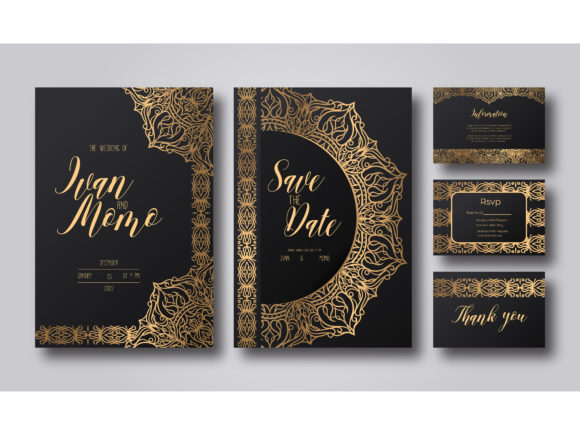
Cute Wedding: A Typeface That Captures Joyful Romance
Imagine your client's face lighting up when they see their wedding stationery for the first time—the elegant swirls, the soft curves, the undeniable charm that makes everything feel personal and celebratory. That emotional response is exactly what the right typography can achieve. For designers working on romantic projects, event branding, or lifestyle content, finding a typeface that balances whimsy with sophistication is like discovering a hidden gem. Cute Wedding delivers precisely that blend, offering a fresh take on decorative lettering that feels both contemporary and timeless.
Understanding the Visual Language of Cute Wedding
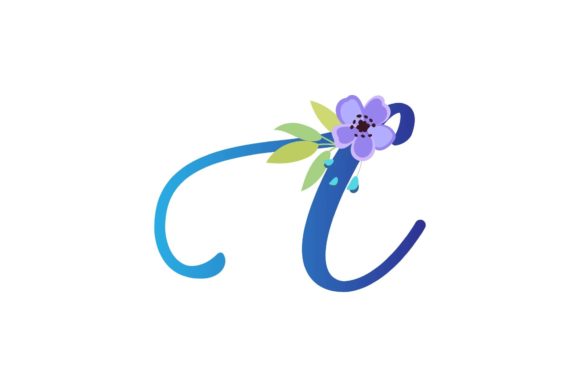
What sets this particular typeface apart is its thoughtful construction. The letterforms feature gentle loops and flowing connections that mimic natural handwriting without sacrificing legibility. Each character carries subtle variations—some strokes taper delicately, others maintain consistent weight—that create visual rhythm across headlines and short passages. The overall impression is warm and inviting, making it particularly effective for projects where emotional connection matters more than corporate formality.
Unlike overly ornate script fonts that become illegible at smaller sizes, Cute Wedding maintains clarity through careful spacing and proportion. The x-height sits comfortably within a readable range, while ascenders and descenders provide enough flourish to establish personality without overwhelming surrounding design elements. This balance makes it versatile enough for both large display applications and moderately sized text blocks.
Where This Font Truly Shines: Practical Applications
Think beyond traditional wedding invitations—though it certainly excels there. This typeface brings personality to numerous creative contexts that designers and entrepreneurs encounter regularly:
- Brand identity systems for bakeries, florists, boutique hotels, and lifestyle brands seeking approachable elegance
- Packaging design for artisanal products, cosmetics, specialty foods, and gift items where shelf appeal drives purchasing decisions
- Social media templates that need to stop scrolling thumbs with eye-catching quotes, announcements, and promotional graphics
- Website headers and hero sections for event planners, photographers, and creative professionals wanting memorable first impressions
- Blog graphics and digital products including e-books, printable planners, and downloadable artwork
- Editorial layouts for magazines, lookbooks, and catalogs targeting lifestyle-conscious audiences
- Merchandise and print materials such as tote bags, greeting cards, posters, and apparel where decorative typography adds perceived value
A small business owner creating product labels for handmade candles, for instance, could use this typeface to establish instant brand recognition while communicating the artisanal quality of their offerings. The font does much of the heavy lifting in conveying brand personality before customers even read the product description.
Pairing Strategies That Actually Work
Every display font needs companions. The most effective typography systems combine personality with practicality, and Cute Wedding pairs beautifully with several font categories depending on your project goals.
For body text alongside this decorative option, consider clean sans-serif fonts with generous x-heights. A geometric sans-serif provides modern contrast, while a humanist option feels more organic and approachable. The key is selecting companions that don't compete for attention—let the display font command headlines while supporting typefaces handle longer reading passages.
When working on editorial layouts or marketing materials with substantial text requirements, test your pairings at actual production sizes. What looks balanced on a large monitor might feel cramped in print or illegible on mobile screens. Create mockups that reflect real-world usage before committing to final combinations.
Readability Considerations for Professional Results
Even the most beautiful typeface fails if audiences struggle to read it. Smart designers recognize that context determines appropriate usage. This particular font works brilliantly for headlines, short phrases, logos, and display text where its decorative qualities can breathe. For paragraphs, product descriptions, or any extended reading, switching to a complementary serif or sans-serif option ensures your message reaches its audience without friction.
Color contrast matters significantly with decorative typography. Light-colored script against busy photographic backgrounds often disappears, while high-contrast combinations can feel harsh. Experiment with semi-transparent overlays, solid background panels, or strategic placement that gives letterforms room to breathe.
Commercial Considerations for Creative Professionals
Before incorporating any premium font into client work, verify licensing terms carefully. Most commercial licenses cover standard business applications—logos, websites, printed materials, and digital products—but specific terms vary between foundries. Some licenses restrict the number of installations, while others charge based on company size or project scope.
For designers serving multiple clients, understanding whether a license permits use across unlimited projects or requires individual purchases saves headaches later. Keep documentation organized and communicate licensing details clearly when delivering final files to clients. This professionalism protects both your business and theirs.
Making Your Design Decisions Count
The most successful typography choices align visual personality with project objectives. Before selecting any display font, clarify what emotional response you want to evoke. Romantic and approachable? Playful yet refined? Contemporary with vintage undertones? Cute Wedding occupies a specific niche within the decorative typography landscape—understanding where it fits helps you deploy it effectively rather than defaulting to it simply because it looks attractive.
Test your selections in context. A typeface that captivates in isolation might clash with existing brand elements, photography styles, or color palettes. Create quick compositions that simulate real deliverables, gather feedback from stakeholders or target audiences when possible, and trust your trained eye to recognize when typography serves the project versus when it merely decorates it.