Gradient Golden Luxury Wedding: A Typeface for Elegant Occasions
There’s a specific kind of design challenge that comes with projects centered around elegance. You need something that feels refined and special, but not overdone. Something that communicates quality without shouting. Whether you’re designing a wedding invitation, creating a brand for a high-end product, or crafting social media content that needs to stop the scroll, the typography you choose sets the entire tone. This is where a typeface like Gradient Golden Luxury Wedding enters the conversation. It’s not just another script font; it’s a design asset built for moments and brands that demand a touch of sophistication and warmth.
Understanding Its Visual Personality
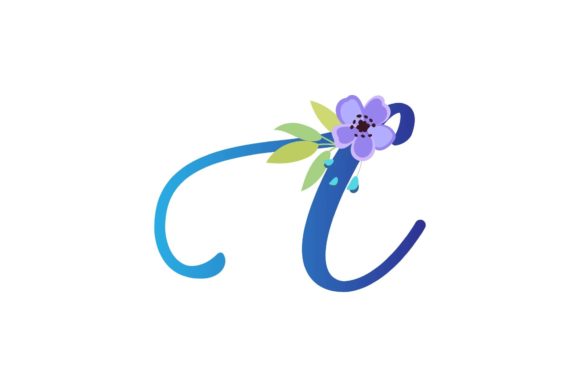
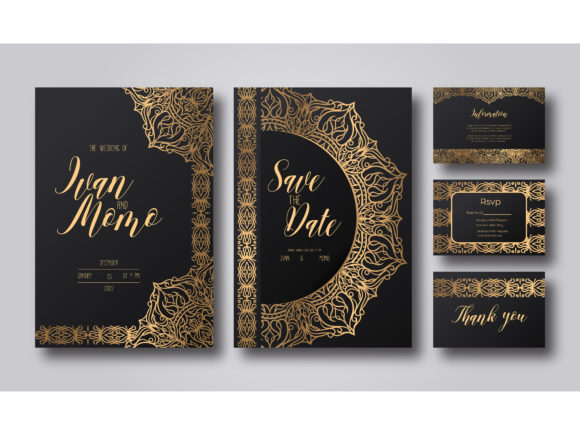
At first glance, this font family feels inherently celebratory. The primary script style has the fluid, connected strokes you’d expect from a premium calligraphic typeface, but with a modern sensibility. The letterforms are balanced—there’s enough contrast in the stroke widths to give it life and movement, but not so much that it becomes difficult to read at smaller sizes. The “gradient golden” aspect isn’t about the font file itself being a gradient, but rather its innate suitability for being styled with gradient overlays, metallic textures, or foil effects in design software. It’s a canvas waiting for that final luxurious touch.
Beyond the main script, a well-rounded font family often includes complementary styles. You might find a clean sans-serif for body copy, a delicate serif for subtitles, or even a set of ornamental swashes and alternates. These extras are crucial. They allow you to build a complete typographic system for a project, ensuring visual consistency from the main headline down to the fine print. For a designer, having these tools in one package saves hours of searching for compatible fonts and ensures everything works in harmony.
Where This Font Truly Shines: Practical Applications
Let’s move beyond theory and talk about real-world use. Where does a typeface like this deliver the most value? Think about any project where the goal is to evoke emotion, quality, and a sense of occasion.
For branding and logo design, it’s a natural fit for businesses in the wedding industry—planners, photographers, florists, venues, and bakeries. But its application is broader. Imagine it for a boutique jewelry brand, a luxury skincare line, a high-end café, or a personal brand for a life coach or consultant. The script adds a personal, artisanal feel, while the overall aesthetic communicates premium value.
In packaging design, especially for products like cosmetics, gourmet foods, or artisanal goods, this font can instantly elevate the shelf presence. Paired with a simple sans-serif for ingredient lists, it creates a hierarchy that guides the customer’s eye and communicates the product’s quality before they even touch it.
The digital space is where its versatility really gets tested. For social media graphics, it’s powerful for creating quote graphics, promotional announcements, or Instagram Story headers that need to look polished and professional. On a website or blog, it’s best used strategically—think hero section headlines, featured post titles, or pull quotes—rather than for long paragraphs of text, where a simpler serif or sans-serif would be more readable.
And of course, for print materials, its strength is undeniable. Wedding invitations, save-the-dates, thank you cards, event posters, and editorial layouts in magazines or lookbooks all benefit from its elegant character. It can even work for merchandise like tote bags or mugs for a bridal party or a boutique brand, adding a custom, curated feel.
Making It Work for Your Project: Practical Considerations
Choosing a beautiful font is one thing; using it effectively is another. Here’s how to ensure Gradient Golden Luxury Wedding enhances your work rather than complicates it.
Pairing is everything. A script font, no matter how lovely, rarely works alone for a complete design. You need a partner. The key is contrast. Pair the flowing script with a sturdy, neutral sans-serif like Montserrat, Open Sans, or Lato. This creates a visual dialogue where the script provides the personality and the sans-serif provides clarity and readability for supporting text. Avoid pairing it with another decorative or overly stylistic font, as they will compete for attention.
Prioritize readability. This is non-negotiable. Use the script for short, impactful text: a name, a headline, a single-word emphasis. Never set a full paragraph in a script font. Always do a squint test—if you squint at your design and the script text becomes an unreadable blob, you need to increase the size or simplify the wording. Also, consider your background. A highly detailed script can get lost on a busy photo; using it on a solid color or with a subtle shadow can help it pop.
Review the full character set. Before you start, open the font in a character map or your design software’s glyphs panel. What alternates are available? Are there different ‘a’ or ‘g’ styles? Are there swashes to add to the beginning or end of words? Are there ligatures that make common letter pairs (like “th” or “ll”) look more natural? Using these features is what separates a default installation from a custom, professional-looking design.
Licensing matters for commercial use. If you’re using this for client work, selling products with the font on them (like merchandise or digital templates), or using it for your business’s branding, you must ensure you have the correct commercial license. The download details for this font specify it comes in EPS and JPG files. Typically, a font package includes the actual font files (like .OTF or .TTF). The EPS and JPG might be for preview graphics or specific design elements. Always verify the license allows for the type of commercial use you intend. Reputable foundries and marketplaces are clear about this—when in doubt, check the terms or contact the seller.
Final Thoughts on Integrating Luxury Typography
Typography is a silent ambassador for your brand or project. A typeface like Gradient Golden Luxury Wedding offers a specific voice: one of celebration, craftsmanship, and curated elegance. Its value isn’t in being used everywhere, but in being used thoughtfully in the right places. It’s a tool for creating focal points, building emotional resonance, and communicating a certain standard of quality through visual design. By understanding its personality, pairing it wisely, and respecting its role as an accent rather than the entire conversation, you can leverage it to make your designs feel more complete, intentional, and engaging for your audience.