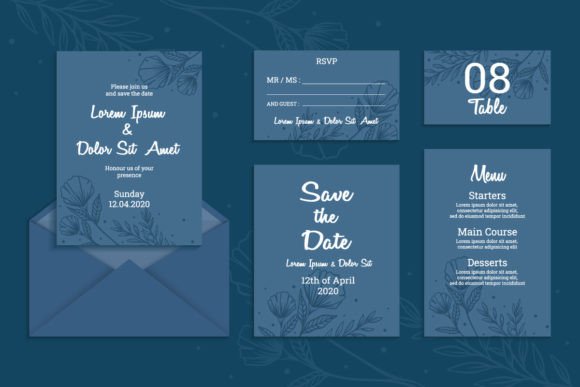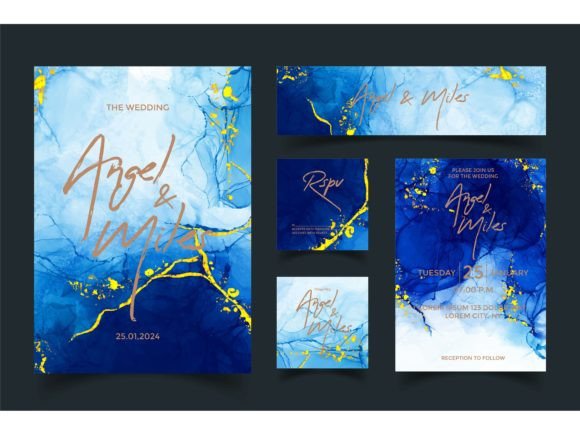
Modern Abstract Luxury Wedding Font: Where Elegance Meets Edge
There’s a moment in every design project where the typeface either whispers or shouts. For projects that demand a balance of sophisticated elegance and contemporary cool, that choice becomes critical. Enter a typeface that walks the line between classic romance and modern abstraction, offering a versatile tool for creators who need their work to feel both luxurious and fresh. This isn't just about pretty letters; it's about crafting an entire visual language that speaks directly to a discerning audience.
The Visual Language of Contemporary Elegance
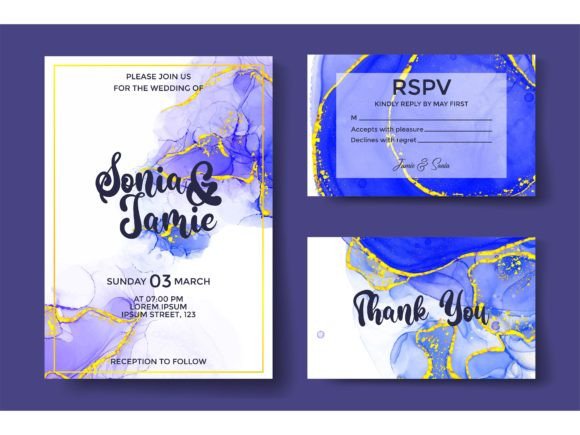
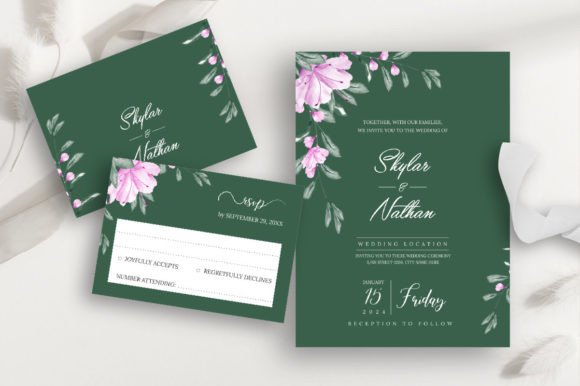
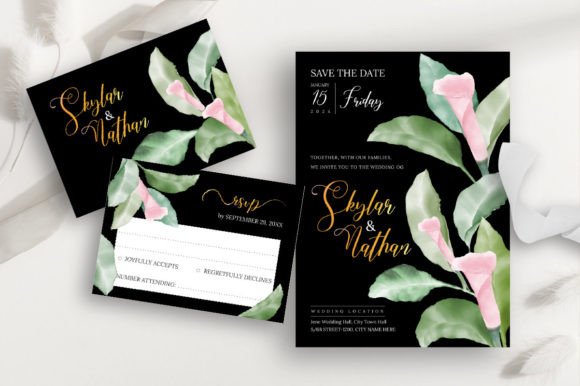
What defines a font as both modern and luxurious? It’s in the details. Think of the subtle contrast between thick and thin strokes, the elegant serifs that don’t feel stuffy, and the carefully crafted letterforms that maintain readability while exuding character. This particular display font often features a blend of styles—a clean sans-serif for body text paired with a flowing script or a bold serif for headlines. This combination allows designers to create hierarchy and mood within a single brand system. The "abstract" element might appear in unique ligatures, alternate characters, or a slightly unconventional baseline that gives the typography a dynamic, artistic feel. It’s this nuanced approach that makes it a standout choice for high-end projects.
Beyond the Invitation: Practical Applications for Creators
While its name suggests a specific niche, its utility is vast. For a wedding stationer, it’s the obvious choice for save-the-dates, invitations, and day-of signage. But its application extends far beyond that single event. A boutique hotel could use it for its logo and all guest-facing materials, from room directories to restaurant menus. A luxury skincare brand might pair its serif weight with minimalist packaging to communicate premium quality. In the digital realm, it shines in social media graphics for lifestyle brands, creating Instagram Stories and Pinterest pins that stop the scroll. For bloggers and content creators, it adds a polished, professional touch to featured images and digital product covers. Even merchandise like tote bags or art prints can benefit from its sophisticated aesthetic.
From Brand Identity to Digital Presence
Consistency is the bedrock of brand recognition. A versatile typeface family allows you to maintain that consistency across every touchpoint. Use the bold serif for your logo and main headings on your website. Apply the clean sans-serif to body copy for maximum readability in blog posts and email newsletters. Deploy the script for elegant accents on social media call-to-action buttons or in the header of a digital lookbook. This strategic use of typography builds a cohesive visual identity that feels intentional and trustworthy. It guides the viewer’s eye, communicates the brand’s personality without words, and elevates the overall user experience from mundane to memorable.
Making It Work: Practical Design Advice
Choosing a font is just the first step. The real magic happens in how you use it. First, always consider your project’s primary goal. Is it to sell a high-ticket item, evoke a feeling of calm, or inspire action? Your typographic choices should support that goal. Next, testing is non-negotiable. Create mockups of your logo, a website header, and a social media post. View them at different sizes and on various devices. Does the script font remain legible at small sizes on a mobile screen? Does the serif font look as powerful on a business card as it does on a poster? Finally, think about pairing. A strong display font often works best when balanced with a simpler, neutral typeface for extended text. This prevents visual competition and ensures your message is communicated clearly.
Understanding Your Design Assets: The Download
A professional-grade font package is more than just a single file. When you invest in a premium typeface, you’re typically gaining access to multiple formats to ensure compatibility across all your software and workflows. The two most common and essential file types you’ll encounter are the EPS and JPG files. Understanding their differences is key to using your design assets effectively.
- EPS File (Encapsulated PostScript): This is a vector file, the gold standard for professional design. It’s infinitely scalable—you can enlarge it to the size of a billboard without losing a single bit of quality. It’s the file you need for any work intended for print (like logos, business cards, or large-format posters) and for editing in vector-based software like Adobe Illustrator or Affinity Designer. This file preserves every detail of the font’s design for precision work.
- JPG File (Joint Photographic Experts Group): This is a raster, or pixel-based, image file. It’s perfect for digital use where you need a quick, high-quality preview or a ready-made graphic. Use JPGs for social media posts, website headers, blog graphics, or presentations. They are universally compatible and easy to share, making them ideal for fast-paced content creation. However, they are not editable in the same way as vector files and will lose quality if scaled up significantly.
Having both formats in your toolkit means you are prepared for any creative challenge, from a quick Instagram story to a full-scale branding package for a client.
The Commercial Consideration
One of the most critical aspects of using any font for commercial projects is licensing. A "free for personal use" font is not the same as a commercially licensed one. If you are creating designs for a business—whether it’s your own, a client’s, or for merchandise you sell—you must have a license that explicitly permits commercial use. Reputable font foundries and marketplaces provide clear licensing terms. Always review the End User License Agreement (EULA) before purchasing. A good commercial license protects both you and the type designer, ensuring you can use the font confidently in your logo design, packaging, and marketing assets without legal risk. It’s an investment in the professionalism and legal safety of your creative work.
Ultimately, the right typeface does more than decorate a page. It builds a world. It tells a story of sophistication, attention to detail, and modern taste. By thoughtfully integrating a versatile and elegant font into your projects, you’re not just choosing letters—you’re crafting an experience that resonates with your audience and elevates every piece of communication you create.