Modern Luxury Wedding Invitation Design: A Designer's Take on Elegance
There's a particular kind of magic in the moment a guest receives a wedding invitation. Before a single word is read, the design speaks volumes—it whispers of the couple's taste, hints at the event's atmosphere, and sets a definitive tone for what's to come. A Modern Luxury Wedding Invitation Design isn't just about pretty paper; it's a masterclass in visual storytelling, where every curve, space, and letterform works in concert to create an immediate and lasting impression of sophistication.
The Anatomy of Modern Luxury in Design
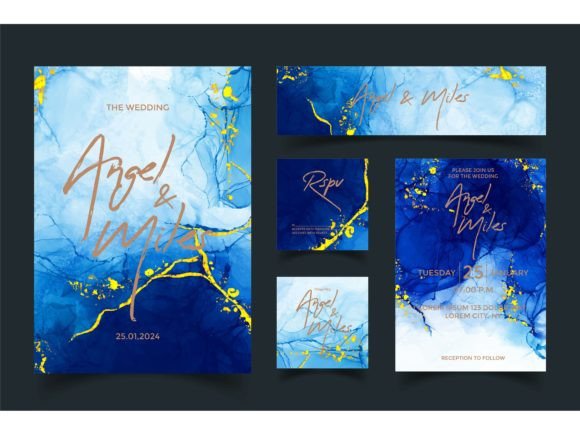
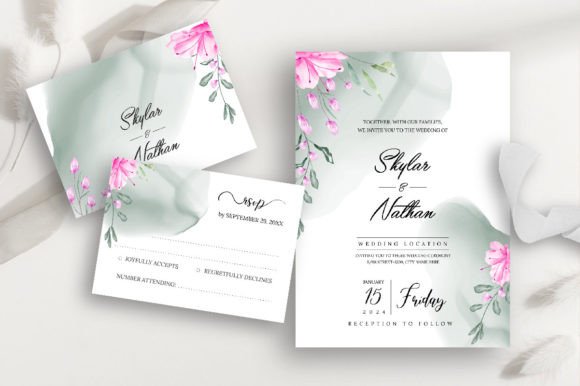
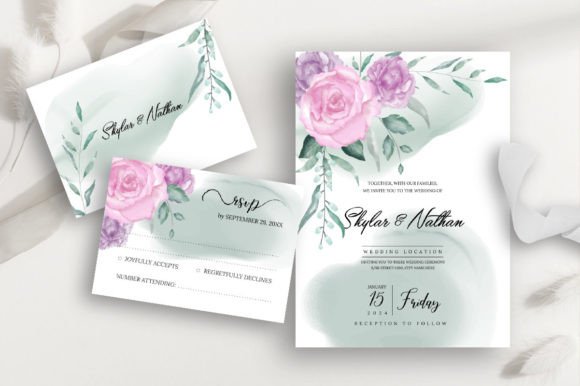
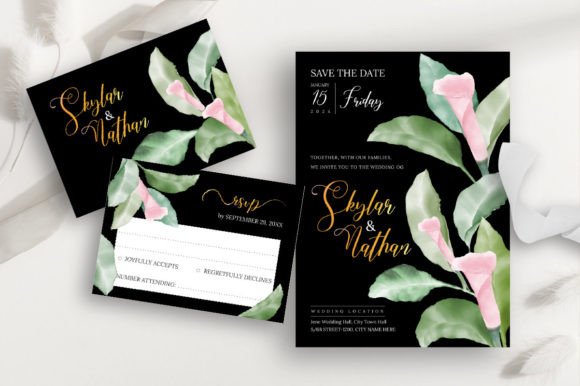
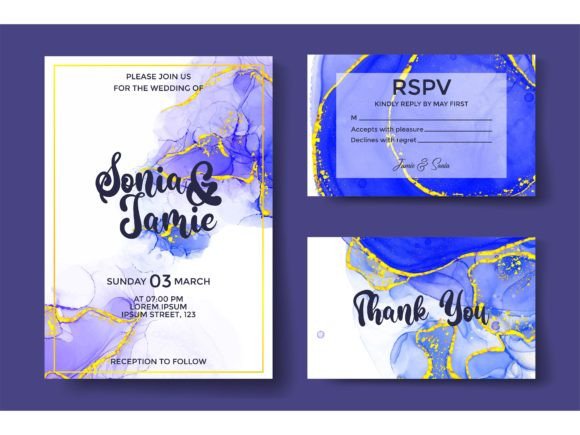
What exactly defines this aesthetic? It’s a careful balance. "Modern" often implies clean lines, ample white space, and a sense of refined simplicity. "Luxury," meanwhile, evokes richness, texture, and a feeling of exclusivity. In wedding stationery, this translates to designs that feel both contemporary and timeless. Think of elegant serif typefaces with high contrast, delicate script fonts used sparingly for names or flourishes, and a layout that breathes. The use of metallic foils, letterpress techniques, or textured papers in physical designs is mirrored digitally through sophisticated color palettes—often muted tones, deep jewel hues, or classic black and gold—and impeccable spacing.
As a designer, I appreciate how this style prioritizes hierarchy and readability. The couple's names are the star, presented in a stunning display font that commands attention. Supporting details like the date, venue, and dress code are set in a clean, complementary sans-serif or serif font, ensuring all information is effortlessly digestible. This isn't about complexity for its own sake; it's about intentional, graceful communication.
Beyond the Envelope: Where This Style Truly Shines
While born from wedding stationery, the principles and assets of a Modern Luxury Wedding Invitation Design are incredibly versatile for any creative professional. The included EPS file is a powerhouse for those working in Adobe Illustrator, allowing for infinite scalability and customization. You can adjust colors, rework layouts, or extract individual elements—like a monogram or a decorative border—for entirely new projects. The JPG file offers a high-quality, ready-to-use version perfect for quick digital applications or as a reference.
Consider how this design sensibility can elevate your work across different mediums:
- Brand Identity & Logo Design: The elegant typography and balanced composition are ideal for creating logos for boutiques, high-end service providers, or luxury lifestyle brands. The style conveys trust, quality, and attention to detail.
- Packaging & Merchandise: Imagine product labels for artisanal goods, cosmetics, or gourmet foods. The luxury aesthetic instantly boosts perceived value. Use the elements to design hang tags, boxes, or shopping bags that feel special.
- Digital Presence: This design language translates beautifully to social media graphics, website hero banners, and blog headers. It creates a cohesive and professional visual identity that engages audiences looking for quality content. Use it for Instagram stories, Pinterest pins, or LinkedIn banners to maintain brand consistency.
- Print & Editorial Layouts: From restaurant menus and event programs to magazine features and book covers, this style brings a polished, editorial feel. The clear hierarchy ensures your content is both beautiful and functional.
- Marketing Assets: Create stunning email headers, digital ads, or promotional flyers that stand out in a crowded inbox. The sophisticated look helps your message get taken seriously.
Practical Advice for Integrating Luxury Typography
Adopting a luxury design style requires more than just a pretty font. Here’s how to make it work effectively in your projects:
First, understand the font's personality. Is the primary typeface a classic serif with old-world charm or a geometric sans-serif with a modern edge? Match its inherent voice to your project's goal. A wedding invitation font might pair beautifully with a script for a romantic brand, but for a corporate identity, you might use the serif alone for authority.
Next, master the art of font pairing. A luxury design often combines two or three typefaces at most. Pair a high-impact display font for headings with a highly readable sans-serif for body text. Ensure their x-heights and proportions complement each other rather than clash. Always test your pairings at the actual size they'll be viewed—what looks good on a large monitor might become illegible on a mobile screen.
Readability is non-negotiable. Luxury doesn't mean obscure. Ensure there is sufficient contrast between text and background. Pay close attention to line spacing (leading) and letter spacing (tracking), especially in body copy. A beautiful font that causes eye strain fails its primary purpose.
Finally, review the full font family and licensing. Does the design asset include multiple weights (light, regular, bold, etc.)? Do you have the correct commercial license for your intended use—whether it's for a client's logo, a product for sale, or your own business materials? Understanding these details upfront prevents legal headaches and ensures you can fully leverage the asset.
By thoughtfully applying the principles behind a Modern Luxury Wedding Invitation Design, you're not just making things look expensive; you're communicating value, care, and professionalism. It’s a strategic choice that resonates deeply with audiences, building recognition and trust through every carefully crafted visual touchpoint.