Wedding Invitation Tabloid: A Vintage Newspaper Style for Modern Love
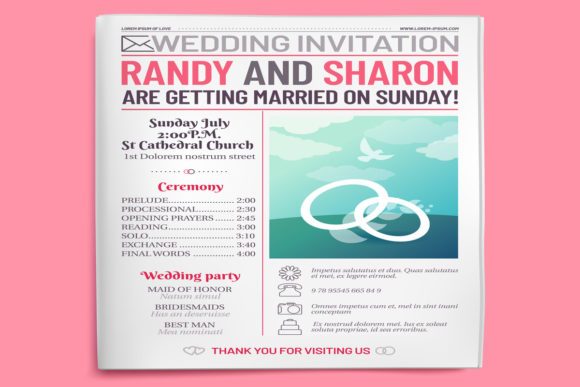
There’s something undeniably romantic about the past—the rustle of old love letters, the elegant script in a vintage journal, the grand announcement of a wedding in a crisp newspaper column. For designers and creatives tasked with capturing that timeless, story-driven essence, finding the right visual language is everything. Enter the Wedding Invitation Tabloid design asset, a unique template that blends the nostalgia of a classic newspaper front page with the celebratory joy of an engagement announcement. This isn't just another invitation template; it's a narrative tool, a piece of editorial design that turns a couple's love story into a headline.
More Than an Invitation: A Storytelling Framework
At its core, this product is a versatile vector illustration, offering a sophisticated layout that mimics a vintage tabloid or a cherished old love journal. The included EPS10 vector file is a designer's playground, allowing for complete customization in Adobe Illustrator or similar software. You can separate every element—the masthead, the column rules, the placeholder text, the decorative borders—to suit the specific narrative you're building. The accompanying JPEG preview at 72ppi gives clients a quick, accessible look at the concept, making it perfect for initial presentations and mood boards.
The visual appeal lies in its structured yet personal aesthetic. Think of it as an editorial design for a personal milestone. The layout naturally guides the eye, creating a hierarchy of information that feels both important and intimate. It’s a premium font and design package that understands the balance between formality and heartfelt storytelling.
Practical Applications for Creatives and Businesses
While its name suggests a singular use, the true power of the Wedding Invitation Tabloid template is its adaptability. For wedding planners and stationery designers, it’s a ready-made foundation for creating a full suite of materials: save-the-dates, invitations, wedding websites, and day-of programs that all share a cohesive, newspaper-inspired brand identity.
Beyond the wedding industry, its applications are surprisingly broad:
- Branding & Logo Design: A boutique hotel, a vintage-themed café, or a literary magazine could use elements from this layout to create a unique logo design or brand pattern that evokes heritage and storytelling.
- Packaging & Merchandise: Imagine a artisanal chocolate brand using this style for its packaging, presenting the origin story of its cacao beans like a front-page scoop. It’s equally effective for tote bags, notebooks, and posters.
- Digital Content & Marketing: Social media graphics for an engagement announcement or a brand's "history" post gain instant gravitas. The structured columns are ideal for blog post graphics or website hero images that need to convey detailed information with visual flair.
- Print & Editorial Projects: Use the layout for event programs, fundraising galas, award ceremony booklets, or even a unique resume or CV for a creative professional. The possibilities for print materials are endless.
Enhancing Visual Communication and Brand Recognition
Using a distinctive template like this does more than just make something look "old-timey." It strategically improves how an audience perceives and interacts with your design. A consistent, unique visual language—like a newspaper tabloid style—builds brand recognition. When every touchpoint, from a social media post to a physical brochure, shares this aesthetic, it creates a memorable and professional impression.
Furthermore, the inherent structure of a newspaper layout promotes excellent readability. Columns and clear headlines organize information logically, making complex details (like wedding schedules or product features) easy to digest. This structured approach elevates the professional presentation of any project, signaling to your audience that every detail has been considered. The result is deeper audience engagement, as viewers are drawn into a well-organized and visually compelling story.
Tips for Working with This Editorial Style
Integrating a strong stylistic element like this requires thoughtful execution. Here’s some practical advice for getting the most out of it:
- Pair Fonts with Intention: The template likely includes or suggests serif fonts for body text and bold, decorative fonts for headlines. When customizing, maintain this contrast. A classic serif font pairs beautifully with a clean sans serif font for subheads or details. Adding a touch of a script font or handwritten font for the couple's names or a special message can inject personal warmth.
- Respect the Grid: The power of this typeface and layout is in its grid system. Avoid the urge to break the columns randomly. Use the existing structure to guide your content placement, whether it’s text, photos, or illustrations. This maintains the authentic editorial feel.
- Customize for Context: If using it for a corporate "milestone" announcement, keep the language and imagery formal. For a personal wedding, infuse it with personal anecdotes, fun facts, and playful language in the "articles." The layout is a frame; you provide the unique content.
- Test for Clarity: Always print a test copy or view the design at actual size. Ensure that the font sizes are legible, especially for crucial details like dates, times, and addresses. The vintage aesthetic should not compromise clarity.
- Understand the License: As with any commercial font or design asset, verify the licensing terms. Ensure the license covers your intended use, whether it's for a client project, merchandise for sale, or digital products. This protects you and respects the creator's work.
The Wedding Invitation Tabloid template is more than a design asset; it's a gateway to creating projects with depth, history, and narrative charm. It appeals to the designer who sees a wedding not just as an event, but as a story worth publishing. By leveraging its vintage newspaper framework, you can craft experiences that feel both significant and deeply personal, turning any announcement into a headline worth remembering.